What Is Virtual Reality?
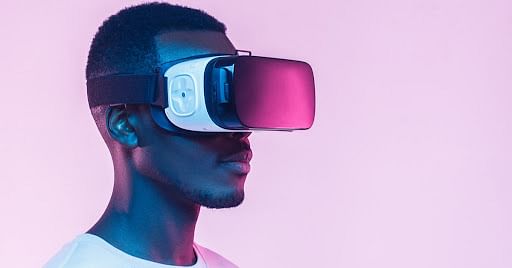
- VR enhances the user experience to the next level via VR headsets or other VR devices like Oculus quest 2, Hp reverb G2 etc.
- VR is a self-controlled environment where the user can control the simulated environment via a system.
- VR enhances a fictional environment by using sensors, displays and other features like motion tracking, Movement tracking etc.
What Is the Need for Virtual Reality?
- Virtual Reality allows users to create simulated, interactive and specific designed environments for specific use.
- It is desiged for human interaction or for a specific reason to create experiences.
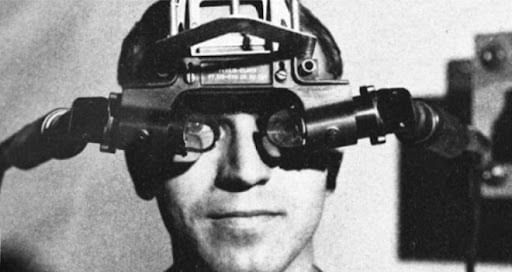
- Unlike other reality technologies like AR and MR, VR enhances the user experience to the next level with its fully immersive and interactive technology.
Applications of Virtual Reality
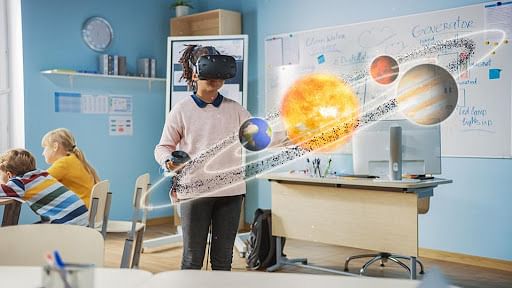
1. VR creates opportunities to conduct activities virtually, for example creating virtual excursions or field trips towards education.
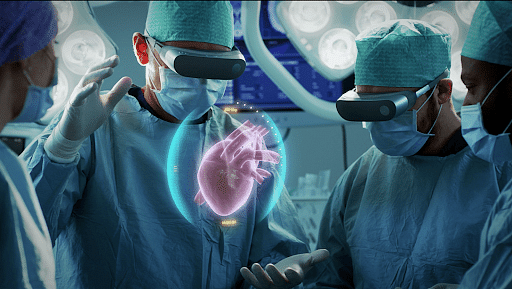
2. Medical terms' analysis and research are easier via VR, which avoids direct contact with harmful substances and hazardous risk factors.
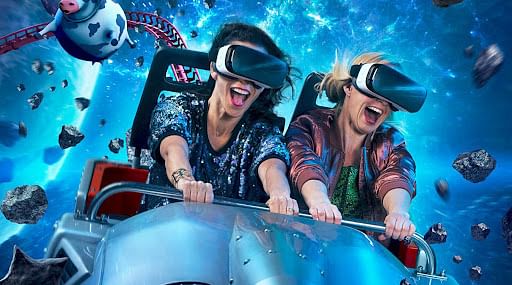
3. In entertainment, Realtime experience of fictional characters or sci-fi movies, animations, and motions can be experienced by all using VR.
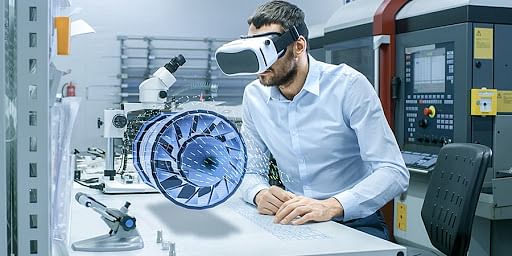
4. Prototyping helps the automotive industry avoid multiple designs and reduce resources by creating virtual designs using VR.
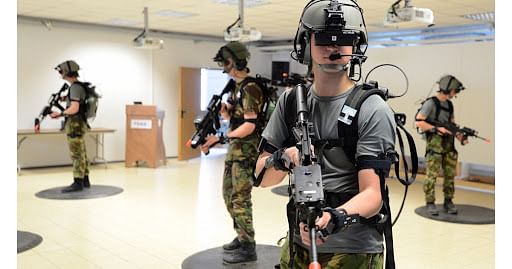
5. In terms of Defense, VR helps our brave men experience the battlefield environments in real-time to avoid unconditional situations in Reality.
Future of Virtual Reality
As VR is in its early stage or towards its second generation in its advancement future of VR lies on
- Developing Virtual Reality headsets which can support up to 8K with much more powerful processors.
- Integration of Artificial Intelligence in VR.
- 5G can also provide interesting scenarios for the evolution of VR.
- Virtual shopping in a 3D view
- Better geo-location system via indoor mapping etc.



No comments:
Post a Comment